
Synopsis
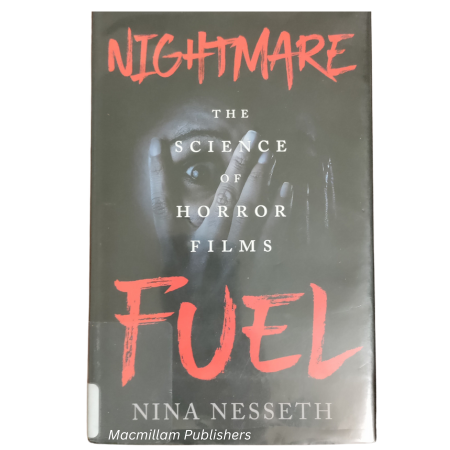
Nightmare Fuel gives a brief overview of the history of horror and delves deep into the science, psychology, and sociology of the genre. Breakout vignettes and interviews give real-world examples and a first-person perspective of the topics discussed.
Most interesting fact
Tetris can be an effective mechanism to combat being scared after watching a movie. The author discussed exactly why in a section titled ‘ Why some scares stick with you’.
Book Review
If you’re a horror enthusiast, a film fanatic, or simply someone intrigued by the eerie intersection of psychology and media, “Nightmare Fuel” is a must-read that promises to both chill and enlighten. This book delves into the essence of horror movies, offering a meticulously researched and academically rigorous exploration of what happens when you’re engrossed in the spine-tingling world of the genre. What sets this book apart is its unwavering commitment to scientific precision and its in-depth analysis of the subtleties that make horror films so utterly captivating.
One of the most intriguing aspects of “Nightmare Fuel” is the author’s deconstruction of horror tropes, like the jumpscare, and their psychological impact on the audience. Ever wonder why modern audiences feel cheated by these tactics? The book tackles this question head-on, providing a compelling insight into the intricacies of our emotional responses. It also dispels common myths, like the idea that closing your eyes during a horror movie makes them less scary. As the author aptly explains, your mind can concoct something far more terrifying than what’s happening on the screen. Moreover, the book takes you on a fascinating journey into the world of cinema and sound, unraveling why horror movies become infinitely scarier in the theater, and it’s not just about the visuals.
But “Nightmare Fuel” goes beyond dissecting the mechanics of horror; it weaves these insights into broader societal themes, such as the age-old debate about whether watching horror films leads to real-life violence. The author thoughtfully examines the research, delivering a clear-eyed analysis of the pros and cons, shedding light on what the scientific evidence actually tells us about the impact of horror on our psyche.
“Nightmare Fuel” is an engaging read for those who revel in the macabre and seek a deeper understanding of the horror genre. While the book offers a fascinating journey into the psychology and mechanics of horror movies, it does have its moments of being overly detailed and occasionally delves into what might feel like a Psychology 101 lecture. Some readers may find themselves questioning whether they need to brush up on Piaget’s theory of development to fully grasp the nuances of a horror film.
Despite these minor shortcomings, “Nightmare Fuel” is a worthwhile addition to any horror enthusiast’s library. It’s a fun and informative exploration of the genre, shedding light on the inner workings of the films that send shivers down our spines. Whether you’re a seasoned horror aficionado or just beginning your journey into the eerie world of fright, this book is an excellent companion for your next horror movie marathon. You may find yourself not only with a newfound appreciation for the genre but also armed with recommendations that will enhance your watchlist and make your next movie night a truly chilling experience.
Author: Nina Nesseth
Photo credit: Macmillan Publishers
 Celebrity Book Reviews